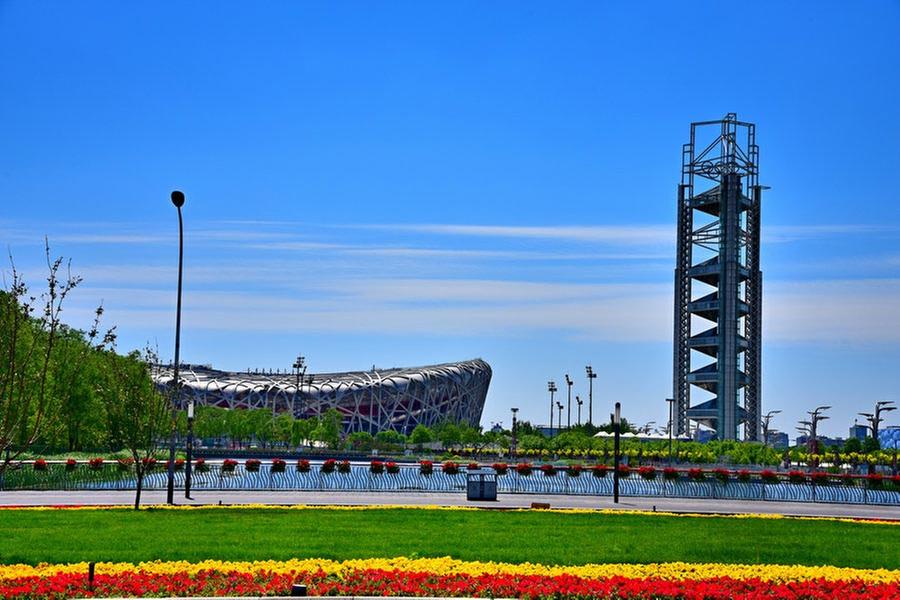
Beijing Olympic Park
Introduction
Beijing Olympic Park, also known as the Olympic Green, is a symbol of modern Beijing, representing the city's advancement in architecture, culture and international sports. The park covers an area of 11.59 square kilometers and houses some of the most iconic structures of the 2008 Summer Olympics and the 2022 Winter Olympics. It features a harmonious blend of nature and modern architecture, serving as a hub for cultural exchanges, sports events and leisure activities.
History
The development of Beijing Olympic Park was part of China's bid to host the 2008 Summer Olympics, a transformative event that not only showcased China's organizational capabilities but also its rich cultural heritage. The area was designed to accommodate various Olympic venues, with construction beginning in the early 2000s.
Architectural Highlights
Beijing Olympic Park is home to several architectural marvels that have gained international acclaim. The most notable structures include the National Stadium, popularly known as the Bird's Nest, and the National Aquatics Center, or the Water Cube. These buildings are celebrated for their innovative design and engineering excellence, with the Bird's Nest featuring a complex lattice structure and the Water Cube's unique bubble-like facade.
Main Attractions
National Stadium (Bird's Nest)
The National Stadium, commonly referred to as the Bird's Nest, is one of the most iconic symbols of modern Beijing. The stadium's intricate structure resembles a bird's nest, providing both aesthetic appeal and structural stability. It hosted the opening and closing ceremonies of the 2008 Summer Olympics and continues to be a venue for sports events and cultural activities.
National Aquatics Center (Water Cube)
The National Aquatics Center, known as the Water Cube, captivated audiences with its innovative design and vibrant blue exterior. During the 2008 Olympics, it hosted swimming, diving and synchronized swimming events. The structure was later transformed into the "Ice Cube" for the 2022 Winter Olympics, where it hosted curling events, demonstrating its versatility and sustainable use of resources.
Olympic Forest Park
The Olympic Forest Park is a vast green space that complements the architectural wonders of the Olympic Park, it serves as a vital ecological area for Beijing. The park features various landscapes, including lakes, wetlands and woodlands, providing a haven for wildlife and a popular spot for jogging, cycling and leisurely strolls.
Events and Activities
Sports Events
Beijing Olympic Park continues to host a wide range of sports events, from national competitions to international tournaments. The facilities are designed to accommodate various sports, providing world-class venues for athletes and attracting sports enthusiasts from around the globe.
Tourism
Transportation and Accessibility
Beijing Olympic Park is easily accessible by public transportation, with several subway lines and bus routes connecting it to the rest of the city. The park's strategic location makes it convenient for visitors, ensuring seamless access to its attractions and events.
Visitor Information
Visitors to Beijing Olympic Park can enjoy a variety of attractions and amenities, including guided tours, dining options and recreational activities. Information centers and signage provide assistance, ensuring a pleasant and informative experience for all guests.








